
Author: Addison Gonzales

Call of Duty: Black Ops 7 – Fastest Ways to Get Point Blank Kills

If you’re grinding for Mastery Camos in Call of Duty: Black Ops 7, you already know that achieving these cosmetic rewards takes dedication, patience, and a lot of kills. This year, Treyarch has adjusted the camo challenges, requiring players to earn Point Blank Kills with shotguns to unlock each weapon’s Military Camo.

While the concept sounds simple, consistently closing the distance to secure these kills can be surprisingly tricky, especially with fast TTKs (time to kill) and vigilant opponents watching corners. Whether you’re playing normally or practicing in Call of Duty Black Ops 7 Bot Lobbies, mastering these strategies will help you get Point Blank Kills faster than ever.

What Counts as a Point Blank Kill in Black Ops 7?

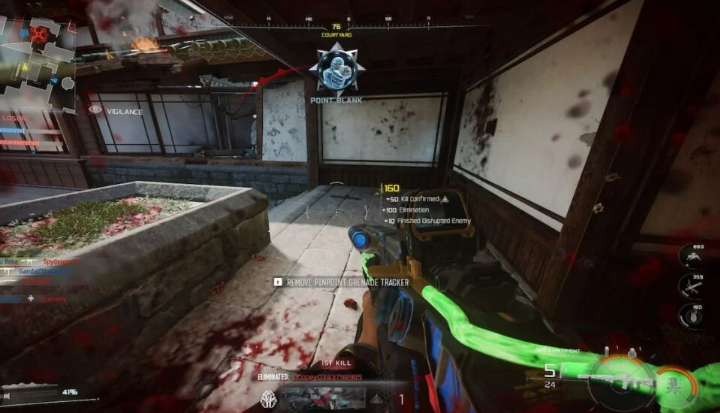
A Point Blank Kill is awarded when you kill an enemy while standing within melee range-essentially, close enough that your shotgun is nearly touching their character model. If you’re close enough to melee, you’re close enough to earn a Point Blank.

The challenge arises because:

·Enemies react faster than you can close the gap.

·Teammates sometimes get the kill before you.

·You might get shot before reaching melee range.

·Map layouts often favor mid-range engagements.

These factors make Point Blank Kills one of the trickiest camo challenges, but the right perks and playstyle can make a huge difference.

Best Tips for Getting Point Blank Kills Quickly

Here are the most reliable strategies for farming Point Blank Kills efficiently in Black Ops 7.

1. Sprint and Slide to Close Distance

Movement is crucial when trying to get into melee range. Regular running won’t cut it-you need aggressive movement techniques to catch enemies off guard.

Sprint + Slide Tips:

·Sliding reduces your target profile and increases your momentum.

·Sliding into a corner or cover can place you immediately in Point Blank range.

Controls:

·PlayStation: Hold Circle while sprinting

·Xbox: Hold B while sprinting

·PC: Tap your crouch key while sprinting

Tip: To practice routes and timings safely, consider buying CoD Black Ops 7 Bot Lobbies from trusted providers. These allow you to experiment without risking real match frustration.

2. Equip the Right Perks

The correct perks can make Point Blank Kills much easier, letting you close distance undetected or track enemies more efficiently.

Best Perks for Point Blank Kills:

·Lightweight: Faster movement, longer slides, and quicker recovery.

·Ghost: Stay undetectable by UAVs and Scout Pulse, perfect for flanking.

·Ninja: Move quietly to sneak behind enemies.

·Hunter’s Instinct: Marks nearby enemies when you get kills, chaining Point Blank opportunities.

·Tac Sprinter: Grants Tactical Sprint for fast map traversal and gap-closing.

·Tracker: Reveals footprints and approximate enemy locations, ideal for large maps.

Some perks occupy the same slot, so experiment with combinations that fit your playstyle.

3. Use Flashbangs and Smokes

Flashbangs are a game-changer for securing Point Blank Kills:

·Throw flashes into hardpoints, domination flags, tight corridors, and rooms with multiple entrances.

·Flashed enemies are disoriented, allowing you to slide in and finish them before they react.

Bonus – Smoke Grenades:

·Smoke blocks enemy sightlines and allows safer approaches.

·Especially useful on open-lane maps to cross exposed areas.

A well-timed flash or smoke can turn a risky push into a guaranteed Point Blank Kill.

4. Play the Right Game Modes

Objective-based modes funnel enemies into predictable locations, making Point Blank Kills easier.

Top Game Modes for Point Blank Farming:

·Hardpoint: Enemies constantly cluster in enclosed spaces.

·Domination: Players stack on flags, perfect for close-quarters combat.

·Kill Confirmed: Enemies move predictably to collect tags.

·Control: Small lanes focused on objectives make close-range kills reliable.

Hardcore Mode? Avoid it for Point Blanks-instant deaths make aggressive shotgun play risky. Stick to core modes for consistent results.

Final Tips for Consistent Point Blank Kills

·Stick to small maps in rotations.

·Avoid long-range engagements entirely.

·Flank instead of pushing head-on.

·Watch for enemies distracted by teammates.

·Use sound cues to sneak up on targets.

·Pair mobility perks with ADS movement buffs for shotguns.

Once you master the rhythm-slide, flash, close the gap, shoot-you’ll earn Point Blank Kills quickly and efficiently, unlocking Military Camos and progressing toward Mastery faster than ever.
Path of Exile 2: Lightning Demon Form Infernalist Witch Build Guide

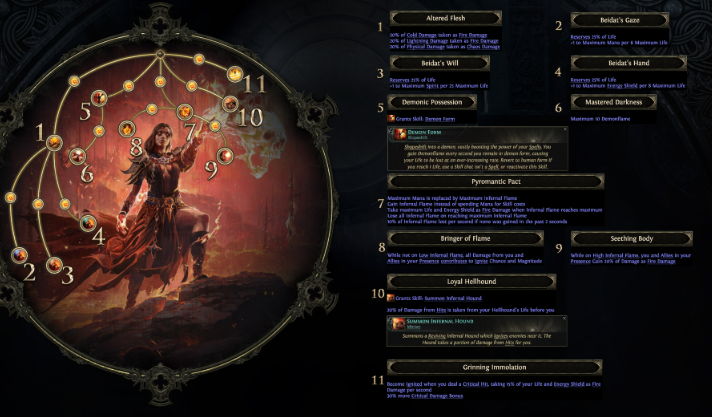
The Infernalist Witch has long stood as one of Path of Exile 2’s most iconic and fiery archetypes. With Patch, the class receives its most transformative update yet – a fully realized Demon Form. Unlike its earlier versions, the new iteration allows players to wield weapons while transformed, opening a vast range of new build synergies. The result is a powerhouse that balances raw magical destruction with nimble, aggressive combat flow.

This guide dives into the Lightning Demon Form Infernalist, a league-starter build that begins with a steady Contagion + Essence Drain core and transitions into a Ball Lightning + Lightning Warp monster around level 75. Whether you’re an SSF (Solo Self-Found) grinder or a Trade League power player, this build delivers spectacle, speed, and strong scaling potential.

Pros and Cons of the Lightning Infernalist Build

Pros

·Incredibly clear speed: Once Ball Lightning and Lightning Warp are active, you’ll wipe screens in seconds.

·Excellent scaling: Contagion and Essence Drain remain relevant even deep into mapping.

·Visually stunning: The new Demon Form animations are among the best in PoE2.

·Flexible playstyles: Works in both SSF and Trade leagues without requiring top-tier uniques.

·Trending archetype: Currently one of the most played and polished builds in Patch.

Cons

·Mana hungry: Demands strong mana regen and flask management.

·Squishy early game: Survival relies on Skeleton Warriors and good positioning.

·Stat-dependent: Needs proper resistances, regen, and spell scaling to feel complete.

·Steeper learning curve: Managing multiple skills and Infusions can take practice.

Build Progression (League Starter Path)

The Lightning Infernalist is built for smooth progression from level 1 to the mid-70s without needing rare gear. Early on, you’ll lean on Contagion, Unearth, and Skeleton Warriors for survivability and mapping. As you transition into midgame, Essence Drain boosts your single-target power. Finally, around level 75, your build transforms-literally-into a Lightning Warp and Ball Lightning Demon Form playstyle that obliterates packs with style.

Core Skill Breakdown

Contagion

Your primary early-game clearing spell. Cast it to infect packs, spreading Chaos Damage over Time across enemies.

·Base Damage: (1.9-93.9) Chaos DPS

·Spread Radius: 1.7 meters

·Scaling: Spell Damage, Chaos Damage, and DoT multipliers

·Tip: Invest in quality early – Contagion’s spread speed scales beautifully, remaining viable into yellow maps.

Unearth

Creates corpses and summons Bone Constructs, serving as both utility and supplementary damage.

·Damage: (4-117) to (6-176) Physical

·Construct Limit: (8-20)

·Duration: 15 seconds

Skeleton Warriors (via Rattling Scepter)

Acts as your early defensive wall. These tanky summons buy time for your DoTs to work.

·Reservation: (60-20) Spirit

·Bonus: Quality increases minion life, vital for early survivability.

Essence Drain

Becomes your boss’s cornerstone midgame. Apply once, then watch enemies melt under chaos damage.

·Base Damage: (9.2-409.4) Chaos per second

·Duration: 4 seconds

·Scaling: Spell, Chaos, and DoT multipliers

Lightning Warp

The centerpiece of the late-game playstyle. Teleport into packs or projectiles, detonating for huge Lightning AoE.

·Damage: (2-54) to (30-1032) Lightning

·Radius: 4 meters

·Shock Duration: 10 seconds

Recommended Support Gem Links

·Unleash (Contagion): Greatly improves spread potential.

·Last Gasp (Skeleton Warriors): Keeps minions alive during boss fights.

·Swift Affliction I (Contagion): Amplifies DoT damage significantly.

·Controlled Destruction (Essence Drain): Boosts damage at the cost of crits.

·Rapid Casting (Lightning Warp): Shortens cast animation and travel time.

·Spell Cascade (Contagion or Essence Drain): Expands coverage for faster map clearing.

Early Gear Progression

Gear progression for this build emphasizes Mana sustain, Spell scaling, and Movement speed for smooth gameplay.

·Main Hand: Begin with Torture Wand (Chaos Bolt), then upgrade to Sanctified Staff (Consecrate) for improved scaling.

·Off-Hand: Use Rattling Scepter for Skeleton Warriors or a shield for extra defense.

·Armor: Prioritize Energy Shield, Life, and Mana regen.

·Boots: Movement speed > everything else early.

·Amulets & Rings: Stack resistances, life, and +spell levels.

If you’re playing, you can use POE2 Items or POE2 Currency to fast-track key upgrades such as capped resistances and mana sustain gear.

Stat Priority

1. +Levels to Spells

2. Spell Damage / Chaos Damage

3. Maximum Mana & Mana Regeneration

4. Cast Speed

5. Maximum Life

6. Elemental Resistances

7. Movement Speed

These stats ensure you maintain consistent damage uptime while surviving in tougher maps.

Passive Tree Priorities (Level 1-16)

Early nodes focus on Mana efficiency, Energy Shield, and Spell Damage for sustainable casting and scaling power.

·Spell & Minion Damage: +32%

·Raw Destruction: +10 Int, +16% Spell/Minion Damage

·Practiced Signs + Cast Speed Nodes: +12% Cast Speed

·Open Mind + Mana Regen Nodes: +45% Mana Regen

·Pure Energy: +30% Maximum Energy Shield, +10 Int

·Dampening Shield: +28% ES, improved stun/ailment thresholds

·Mana Blessing: +20 Maximum Mana, +20% Mana Regen

This combination allows you to cast efficiently while maintaining survivability through Energy Shield.

League Starter Playstyle

The Infernalist Witch offers a fluid mix of minion utility and spell-based destruction. Here’s how each phase flows:

Early Game:

·Cast Contagion → Unearth to create corpses → Summon Skeleton Warriors for a frontline.

·Maintain distance while your DoTs spread through enemy packs.

Midgame (Essence Drain):

·Open with Contagion, then fire Essence Drain at priority targets.

·This combo clears entire groups while melting elites and bosses.

Late Game (Demon Form + Lightning Warp):

·Enter Demon Form for boosted power.

·Apply Essence Drain, then Warp into enemies to detonate massive Lightning AoEs.

·Use Skeleton Warriors as distractions during tougher boss phases.

The synergy between Chaos DoTs and Lightning burst transitions perfectly from mapping to endgame bossing, creating a build that’s both visually thrilling and mechanically rewarding.

Final Thoughts

The Lightning Demon Form Infernalist stands out as one of Path of Exile 2’s most dynamic and exciting league starters. It combines spectacle with scalability – delivering unmatched clear speed, smooth progression, and high mobility without needing expensive uniques.

For Trade League players, investing early to buy Path of Exile 2 Currency or key POE2 Items accelerates your power curve dramatically. For SSF adventurers, the build remains reliable, rewarding patience and smart crafting.

If you’re looking for a powerful start that captures the essence of what makes Path of Exile 2 so thrilling, unleash the storm within – and let the Infernal flames guide your ascent.

Navali Rest in Path of Exile 2-How to Permanently Increase Your Mana

Path of Exile 2 expands on nearly every system from the original game, offering players new classes, refined skill mechanics, and intricate world design. Among its many hidden rewards lies Navali Rest, a secret Act 4 discovery that grants a permanent +5% to maximum mana once found and activated.

While this bonus may sound minor, it has major implications for long-term builds-especially for casters, hybrid archetypes, and anyone who relies heavily on mana management. Unfortunately, because of its vague in-game hints and misleading map placement, many players overlook or miss Navali Rest entirely. This guide breaks down exactly where to find it, how to unlock the zone it’s hidden in, and why it’s worth your time.

Why Navali Rest Is a Must-Have Bonus

Permanent bonuses in Path of Exile 2 are rare, and the mana increase from Navali Rest stands out as one of the most universally useful. A higher mana pool influences several aspects of gameplay:

For Spellcasters:More mana means longer casting uptime, smoother skill rotations, and stronger synergy with mana-scaling gear and passives.

For Melee and Ranged Builds:Even non-casters benefit, since extra mana helps sustain utility skills like movement abilities, auras, or support gems.

For Endgame Scaling:Combined with crafted gear and passive tree investments, the 5% boost becomes part of your long-term efficiency curve.Unlock endless possibilities with the power of POE 2 Currency purchased with MMOexp!

Simply put, any build that plans to reach the endgame should make sure to secure this upgrade before moving past Act 4.

Where to Find Navali Rest in Path of Exile 2

One of the biggest sources of confusion is Navali Rest location. On the Act 4 world map, it appears close to the Hall of the Dead, but this is misleading-you won’t find it there. The real location is hidden within the Eye of Hinekora, a zone that unlocks later in the act.

How to Identify Navali Rest:

Fully explore the Eye of Hinekora until you come across a checkpoint leading into a long, empty hall.

Follow the hallway until you find a small chamber at its end.

Inside the chamber sits a jade coffin containing a suspended body-this is Navali Rest.

Interact with it and select “Pay Your Respects.” Doing so grants your character a permanent +5% maximum mana bonus instantly.

Afterward, you can speak to Navali for a short piece of dialogue that reflects on her fate, giving the encounter a meaningful lore touch.

How to Unlock the Eye of Hinekora

You won’t have access to the Eye of Hinekora immediately. To reach it, you must first progress through the main Act 4 storyline, completing several key objectives:

Finish the Isle of Kin area.

Defeat Krutog, Lord of Kin, in the Volcanic Warrens. This boss uses heavy fire attacks and summons allies, so prepare accordingly.

Rescue Matiki after defeating Krutog to advance the act main questline.

The new quest “Trial of the Ancestors” will trigger afterward.

Speak to Makoru, who grants access to a chain of new islands-the first of which is the Eye of Hinekora, where Navali Rest resides.

Only after completing these tasks will you be able to locate and claim this hidden reward.

Efficient Ways to Locate Navali Rest

Since the Eye of Hinekora is procedurally generated, the chamber exact placement differs in every instance. However, these tips can drastically cut down your search time:

Explore thoroughly:Don’t just follow the main path-the chamber often branches off from side corridors or tucked-away hallways.

Look for dead ends:Navali Rest frequently appears at the end of seemingly empty side paths.

Check near checkpoints:Many players report that the Rest chamber often spawns close to a map checkpoint.

Avoid confusion with Trial chambers:Trials and Navali Rest both appear in this region, but they’re separate objectives – follow the visual cues of the jade coffin.

Some players choose to boost their Act 4 progression using in-game trade, purchasing cheap POE2 Currency from trusted marketplaces like MMOexp to craft better equipment and streamline boss fights. While not essential, it’s a common practice for efficient players who want smoother advancement.

Navali Rest is easy to overlook but provides one of the most valuable permanent upgrades in Path of Exile 2. The +5% maximum mana boost benefits virtually every build type, and the accompanying lore adds emotional depth to Act 4 story arc.

By completing the Isle of Kin questline, unlocking the Eye of Hinekora, and carefully exploring the area, you can secure this upgrade with minimal backtracking.

For any player aiming to tackle Path of Exile 2 challenging late-game encounters, completing Navali Rest is essential. Not only does it enhance your mana sustainability, but it also honors one of Wraeclast most memorable figures – Navali, the soothsayer whose legacy still echoes in PoE 2.

Best Builds for Each Class in Diablo 4 Season 10 PTR

The Diablo 4 Season 10 Public Test Realm (PTR) has shaken up the landscape of Sanctuary with some of the boldest changes yet. Players are already debating which builds will define the meta once the season officially launches. While it’s important to remember that PTR balance is subject to change, early testing reveals a clear hierarchy of what’s working and what isn’t.

Some builds, like Hydra Sorcerer or Twisting Blades Rogue, are proving reliable. Others, such as Shadow Blight Necromancer or Jaguar Thorns Spiritborn, are emerging as sleeper contenders with the potential to dominate. In this article, we’ll cover the strongest build for each class in Diablo 4 Season 10 PTR, why they’re strong, and how they might evolve when the season goes live.

1. Barbarian: Whirlwind / Mighty Throw Hybrid

Barbarians thrive on raw, relentless damage, and Season 10 leans into that identity. The Sabre of Tsasgal, a new Unique weapon, shifts the meta dramatically. This weapon grants multiplicative damage bonuses for every damaging skill on your hotbar, encouraging a hybrid playstyle.

Instead of stacking one primary nuke, Barbarians now rotate between Whirlwind, Mighty Throw, and Hammer of the Ancients. The synergy works beautifully:

·Whirlwind clears trash mobs.

·Mighty Throw chunks elites at range.

·Hammer of the Ancients delivers massive boss-killing hits.

The Sabre makes this hybrid build flexible, rewarding active play and turning Barbarians into one of the most consistent performers in PTR testing.

2. Druid: Rotting Lightbringer Pulverize

Chaos Armor is transforming Druids, allowing Legendary and Unique effects to slot into new item categories. This is especially impactful for Rotting Lightbringer Pulverize, which benefits from equipping Rotting Lightbringer outside its usual weapon slot.

With this freedom, Druids can pair Rotting Lightbringer with heavy-hitting weapons like The Grandfather, stacking damage multipliers. Combined with Pulverize’s natural AoE dominance and Spirit management synergies, this build has burst potential and sustain in both open-world content and endgame dungeons.

Despite attention on Raven builds, Pulverize continues to hold the crown as the Druid’s most consistent and destructive build in PTR testing.

3. Necromancer: Shadow Blight

Season 10 PTR is seeing Necromancers surge to the top thanks to Shadow Blight. Recent buffs to the Wither mechanic now give Shadow damage a 20% chance to deal 300%[x] increased damage, stacking with Shadowblight’s passive bonus of up to 450%[x].

This creates exponential damage scaling that can result in billions, even trillions, of damage ticks under optimal conditions. When paired with Diablo 4 Items like Ebonpiercer and Reaper’s Pursuit, Shadow Blight offers consistency alongside ridiculous burst.

Compared to Blood Wave or Bonestorm, Shadow Blight feels smoother and deadlier, putting Necromancer firmly in the conversation for Season 10’s strongest class.

4. Rogue: Twisting Blades

Rogues remain flashy but inconsistent. Season 10’s PTR hasn’t delivered the breakthrough many hoped for, with Reload Rogue and other Chaos Perk-driven builds failing to make a mark.

That said, Twisting Blades Rogue continues to be the standout option. Its fast-paced, fluid playstyle rewards skillful positioning as blades return to the player, delivering devastating AoE bursts.

The problem is less about Twisting Blades being weak and more about Rogues lacking variety at the high end. Compared to Sorcerers and Necros, they’re lagging in scaling and survivability. Unless Blizzard buffs them before launch, Twisting Blades will remain the Rogue’s best but limited choice.

5. Sorcerer: Hydra

Despite Blizzard’s push for Lightning Sorcerers, the Hydra Sorcerer is still the undisputed champion.

Chaos Armor allows Sorcs to equip multiple Hydra-enhancing Uniques at once, such as Ophidian Iris and Fractured Winterglass, multiplying Hydra’s power scaling several times over. The result is a swarm of fire-breathing Hydras and Frozen Orbs overwhelming the battlefield.

Hydra builds offer:

·Insane boss damage via stacking multipliers.

·Efficient map clearing with persistent summon spam.

·Sustainability through Chaos Perks like Mana Shield, which supercharge resource regen.

Hydra isn’t just the Sorcerer’s best option-it’s arguably the most overpowered build across the entire PTR meta. Players often buy Diablo IV Items early on to ensure they can craft or trade for the perfect Hydra setup before competition heats up.

6. Spiritborn: Jaguar Thorns

The new Spiritborn class is still being explored, but early PTR results show Jaguar Thorns as a standout.

This build combines Aspect of the Plains with Balazan’s Maxtlatl to dish out massive thorn-based counterattacks. Even after adjustments (Jaguar Spirit Hall no longer boosting Aspect of the Plains), the synergy remains brutal.

Chaos Perks push it further:

·A Beast Cornered: More damage and DR as your Life drops.

·Marred Guard: Life capped at 50% but boosted defenses and Fortify uptime.

The result is a high-risk, high-reward playstyle, where Spiritborn sit on the edge of death, constantly dishing out spikes of retaliatory damage. While not as universally dominant as Hydra or Shadow Blight, Jaguar Thorns proves Spiritborn can compete with the established classes right out of the gate.

Final Thoughts

PTR testing always paints an early picture, but Diablo 4 Season 10 already shows clear frontrunners for each class:

·Barbarian: Whirlwind / Mighty Throw Hybrid

·Druid: Rotting Lightbringer Pulverize

·Necromancer: Shadow Blight

·Rogue: Twisting Blades

·Sorcerer: Hydra

·Spiritborn: Jaguar Thorns

Blizzard still has time to tweak numbers before launch, but if PTR trends hold, expect Sorcerers and Necromancers to dominate the high-end meta. Barbarians and Druids look strong and flexible, while Rogues risk being left behind again. Spiritborn, meanwhile, has already carved out a niche with Jaguar Thorns.

Season 10 could be one of the most diverse and chaotic metas Diablo 4 has seen, giving players multiple exciting ways to approach Sanctuary’s toughest challenges.

Diablo 4 Season 10 PTR Guide:Chaos Perks, Armor, and the Strongest Builds

Season 10 of Diablo 4 is nearly here, and the Public Test Realm (PTR) has been buzzing with experimentation. Players are testing out Chaos Perks, Chaos Armor, the new Infernal Hordes activity, and a wave of balance adjustments across all classes. The result? Some of the wildest builds the game has ever seen.

Chaos Armor & Chaos Perks – The Core of Season 10

Two new mechanics dominate the PTR and are shaping the Season 10 meta:

Chaos Armor – This feature allows you to slot unique effects into different gear categories. That means dual-unique setups are now possible, like wearing two helmets or relocating amulet powers to free up jewelry slots. Buy Diablo 4 gold from MMOexp now and start your path to victory! The system has blown open the build possibilities, creating combinations never before seen in Diablo 4.

Chaos Perks – Seasonal modifiers that completely change how skills behave. Some remove cooldowns, others multiply damage, and a few are bugged with multiplicative scaling—leading to outrageous damage numbers.

With these mechanics, the tier list is shifting fast. Let’s break down how each class is performing.

Barbarian – Hammer of the Ancients Returns

Barbarians are back in force thanks to Chaos Armor and recent buffs.

Hammer of the Ancients (HoTA) has resurfaced as a premier build, with some testers clearing Tier 100 Pits in under 9 minutes.

Mighty Throw remains top-tier for Pit pushing, though more specialized.

Dual Swing thrives in the mob-heavy Infernal Hordes.

Chaos Armor allows stacking multiple uniques, supercharging both survivability and damage.

PTR Verdict:A top contender—strong, versatile, and fun.

Druid – Overabundance Chaos Perk Is Completely Broken

Druids are the runaway winners of Season 10 PTR, largely due to the Overabundance perk.

Storm Ravens + Overabundance are tearing through Pit 150 runs with ease.

Companion builds look like the most reliable option for launch.

Shred Druids and Tempest Roar setups also skyrocket in power when paired with Chaos Armor shenanigans.

Even if Overabundance gets nerfed, Druids are stacked with powerful options.

PTR Verdict:Absolutely overpowered—expect nerfs.

Necromancer – Blood Wave Meta

Necromancers are thriving again, this time with a new core build.

Alter the Balance turns Blood Wave into a spammable core skill, deleting its cooldown and tying it to Essence.

Alternating Alterations adds absurd damage multipliers when switching core skills.

Combine these with Bloodless Scream in a Chaos Armor slot, and Necros can dedicate weapons to raw DPS.

Other notes:

Bone Spear is still reliable.

Skeletal Mages look better but continue to suffer from weak AI.

PTR Verdict:Blood Wave Necro is meta-defining and one of the best boss killers in the game.

Rogue – Death Trap Keeps Them Afloat

Rogues are having a rougher time compared to other classes.

Death Trap builds remain their strongest, especially for Infernal Hordes.

Twisting Blades, a Season 9 staple, loses much of its synergy under the new system.

The new reload-based unique has big damage potential, but feels clunky and poorly supported by UI.MMOexp instant buy Diablo IV Items delivery will elevate your Diablo IV experience. Play smarter, not harder!

Chaos Perk synergy can help (e.g., A Beast Cornered + Marred Guard), but survivability trade-offs make it risky.

PTR Verdict:Playable but weaker than other classes—Death Trap remains the safest bet.

Sorcerer – Hydra Dominates, Fireball for Specialists

Sorcerers are steady, with two builds standing out:

Hydra builds excel in general play, including Infernal Hordes and Torment 4.

Fireball bounce builds push high-tier Pits but require perfect maps and add-heavy bosses.

Chaos Perks:

Mana Shield seemed broken on paper but drains mana too quickly in practice.

Most Sorcs instead lean on A Beast Cornered and Marred Guard for balanced offense and defense.

PTR Verdict:Stable and effective, but not game-breaking.

Spiritborn – Nerfed but Viable

The Spiritborn, Season 9 powerhouse, took a step back in PTR tuning:

Jaguar Primary Spirit Hall nerfs reduced top-end power.

Quill Volley lost efficiency.

Crushing Hand and Rake builds remain competitive, with Rake holding its spot near the top.

PTR Verdict:Not as dominant as before, but still has strong builds.

The Diablo 4 Season 10 PTR has created one of the most chaotic metas yet. Chaos Armor and Chaos Perks have reshaped every class, opening the door to powerful and creative builds.

Druids and Necromancers are completely dominating.

Barbarians are thriving again with multiple endgame options.

Sorcerers remain consistent.

Rogues and Spiritborn trail behind but still have viable paths.

If PTR is anything to go by, Season 10 is set to be one of the most explosive and unpredictable seasons Diablo 4 has ever seen.