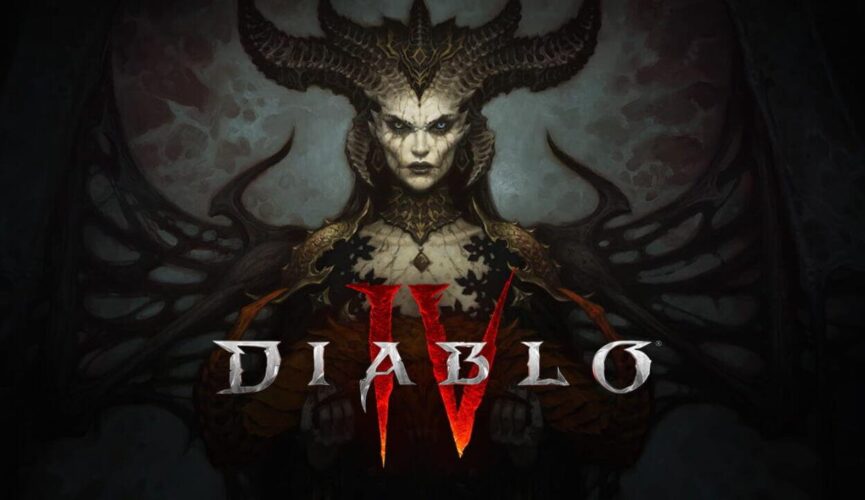
Tag: Buy Diablo IV items

Diablo 4 Season 13 Guide: The 900 Power Item Rework & Meta Shift

1. The Big Picture: No More Passive Skills on the Skill Tree

In Season 13, passive skills are being removed from the skill tree entirely. This changes everything about how you build your character.

What this means:

Shroud of False Death (currently the best chest armor for almost every build) loses its value. Its +1 to all passives previously gave ~80–100% multiplicative damage plus defensive and utility bonuses. Without passives on the tree, this armor becomes ordinary. Expect build diversity to increase — a good thing overall. If you want to stay competitive without grinding for hours, you can buy Diablo 4 Gold to gear up alternative builds more quickly.

2. Amulets: The End of +3 to Passives?

Currently, top amulets give +3 or even +5 to several passives, providing ~50% multiplicative damage or more. But they are incredibly hard to farm (Kurast Undercity + sigils + 50M gold per run).

What might replace passive bonuses on amulets?

· % main stat (like pre-Season 11)

· % life

· Increased aspect power (from 100% → 150%)

· Entirely new stats

If passives disappear from amulets too, that’s not necessarily bad — farming won’t feel hopeless anymore.

3. A Clever Theory: Passives Move to the Paragon Board

Since changing damage formulas is expensive, the devs might simply move passive nodes to Paragon with new names and visuals.

How it could work:

· Add a new node type: Exalted Nodes (in addition to Magic, Yellow, Legendary)

· Transfer all old passive bonuses there

· Amulets and chests then interact with these “new” nodes under the hood

This is cheap for developers, looks like a global rework to marketing, and keeps old balance logic intact. Many players will notice, but it’s a plausible path.

4. New 900 Power Items: What Changed?

Examples from Warlock items:

StatOld (800 power)New (900 power)
Cooldown ReductionModerateHigher
Critical Strike ChanceModerateHigher (but 100% cap remains)
Maximum Life7901000
Main Stat121121 (unchanged)
Skill Bonus+3+3 (but max rank increased from 8 → 15)

One-Handed Mace (Warlock):

· Old DPS: 297

· New DPS: 815

· That’s 2.83x base damage

Because base weapon damage multiplies with all other bonuses, final damage could increase by tens or hundreds of times. That could mean pushing the Pit ~10 levels higher.

5. The Illusion of Growth: Monster Scaling

If only player damage grows but monster health, armor, and resistances also grow → nothing changes except bigger numbers.

If monster stats don’t grow → we get a Diablo 3 clown show:

· Sets and aspects buffed by 10–20x per season

· Numbers become meaningless

· Players speed-farm max difficulty (Pit 150) in 1–2 minutes

Currently, Pit cap is not 150 (players have done 160+), which suggests Blizzard is being smarter this time. They’re scaling monster health with damage. That’s healthy.

6. Class Balance: Warlock, Paladin, and the Rest

Season 13 expectations:

· Warlock — strongest, fastest, most convenient

· Paladin — slightly below Warlock (artificially strong to boost DLC sales)

· Other classes — more or less equal (unprecedented in Diablo 4 history)

Historical note:

· Spiritborn in his first season: 73 Pit levels above the weakest class (Druid)

· Next season: already in line with everyone else

· Expect 1–2 seasons of Warlock dominance, then normalization.

7. Build Diversity: The Harsh Truth

No matter how many builds exist on paper, only three real builds matter per class:

1. Efficient farming

2. Strongest for pushing / ubers

3. Party damage dealer or support

4. The other 10–20 builds are for fun and often can’t even farm max difficulty efficiently.

Example of bad balance:

· Rogue death trap → forced weapon swap → laggy, unplayable

· Sorceress teleport → manually added minimum cooldown

· Blizzard often destroys convenient setups instead of buffing weak ones.

8. Final Verdict: Marketer-Realist Edition

The 900 power items will feel like insane power growth. Behind the scenes, monster scaling will keep the challenge intact. A loot filter is coming — that’s a sign Blizzard is doing some things right. If you want to keep up without endless farming, you can buy cheap Diablo 4 Items from MMOEXP to quickly gear up multiple builds. Don’t believe the hype. Marketing is just lies with better lighting. Play what you enjoy. Expect Warlock meta for 1–2 seasons. And always keep a backup build.

Diablo 4 Season 11 Divine Gifts Guide: How to Upgrade, Farm, and Maximize Rewards

Diablo 4 Season 11 introduces Divine Gifts, a unique seasonal progression system designed to enhance rewards rather than provide new combat skills. Unlike traditional buffs or passive effects, Divine Gifts focus on increasing loot, crafting materials, XP, and other endgame rewards from specific activities throughout Sanctuary. Each Gift adds a risk-versus-reward mechanic, often increasing difficulty while providing greater payouts for players willing to grind.

This guide will explain how Divine Gifts work, how to upgrade them, which activities to farm, and the benefits of each Essence, ensuring you maximize efficiency in Diablo 4 Season 11.

What Are Divine Gifts in Diablo 4 Season 11?

Divine Gifts are seasonal modifiers obtained by defeating manifestations of Lesser Evils across endgame content. Once unlocked, they can be slotted to enhance rewards from specific activities such as:

·Helltides

·The Pit

·World Bosses

·Kurast Undercity runs

Each Lesser Evil provides two Divine Gift Essences, which can be upgraded independently. As you participate in their associated activities, these Gifts increase the quality and quantity of your rewards, creating a compelling grind loop for dedicated players.

How to Upgrade Divine Gifts

Upgrading Divine Gifts is straightforward. The core principle is: repeat the activity tied to the Lesser Evil until you gain enough rank progress.

Whenever you participate in the defeat of a Lesser Evil-or interact with related content-you’ll receive a rank-up item that increases your Divine Gift progress.

Example: Azmodan in Hawezar

·Defeating Azmodan drops Sinful Memories, which increase the rank of both Divine Gifts associated with him.

·You do not need to summon the boss yourself.

·You do not need to open a chest.

·As long as you participate in the fight, you will receive progress toward upgrades.

This accessibility makes Divine Gift progression manageable even for players who may be short on summoning materials.

What Upgrading Divine Gifts Does

Upgrading Divine Gifts enhances both quantity and quality of rewards from their respective activities. Each Essence scales differently, with key benefits unlocked at Rank 2 and Rank 5. Here’s a full breakdown:

World Bosses

Essence of Sin

·Rank Upgrades: Better Dungeon Keys drop

·Rank 2: Weekly cache awards a large number of Activity Keys

·Rank 5: Compasses and Tributes drop more frequently

Essence of Hellfire

·Rank Upgrades: Higher-quality Lair Boss Keys

·Rank 2: Weekly cache provides many Lair Boss Keys

·Rank 5: Increased Lair Boss Key drops globally

Kurast Undercity

Essence of Anguish

·Rank Upgrades: More Murmuring Obols from runs

·Ideal for players targeting Uniques or specific gear slots

Essence of Screams

·Rank Upgrades: Higher-quality Salvage Materials

·Useful for rerolling, crafting, and sustaining cheap Diablo 4 materials

Helltides

Essence of Pain

·Rank Upgrades: Better Runes and Gems drop from Pangs of Duriel

·Perfect for Runeword optimization and gem upgrades

Essence of Squalor

·Rank Upgrades: XP Globes grant significantly more experience

·Great for leveling alts or pushing Paragon levels efficiently

The Pit of the Artificer

Essence of Lies

·Rank Upgrades: Increased chance for additional Paragon Glyph upgrades

·Essential for Pit runners optimizing glyph farming

Essence of Shadows

·Rank Upgrades: Increased gold rewards

·Helps offset the cost of gear rerolls and late-game crafting

Is Upgrading Divine Gifts Worth It?

Absolutely. While Divine Gifts don’t directly improve combat power, they significantly boost progression efficiency in multiple ways:

·Faster Unique item farming

·Increased resource acquisition for crafting and upgrading

·Efficient Paragon progression

·More gold and materials for sustained endgame performance

For players planning to buy Diablo IV items or farm high-tier gear, upgraded Divine Gifts reduce grind time and improve every other activity in Sanctuary.

Tips for Efficient Divine Gift Upgrades

1. Focus on Group Participation: Even if you don’t summon the boss, joining fights still provides rank progress.

2. Prioritize High-Yield Activities: Helltides and Pit runs often provide multiple upgrade opportunities per run.

3. Track Rank Progress: Use the Divine Gifts menu to plan efficient farming routes.

4. Combine with Endgame Farming: While upgrading Gifts, simultaneously farm Diablo 4 items or crafting materials for maximum efficiency.

5. Plan for Late-Game Scaling: Rank 5 bonuses are game-changing. Plan your grind around high-density content to maximize growth.

Final Thoughts

Divine Gifts in Diablo 4 Season 11 are a subtle but incredibly impactful progression system. By participating in Lesser Evil encounters, Helltides, and The Pit runs, players can upgrade their Gifts to unlock compounding rewards that enhance XP, loot, crafting materials, and Paragon progression.

For players looking to maximize efficiency, farm Uniques, and sustain long-term endgame content, investing time into Divine Gift upgrades pays off more than any temporary combat buff. With consistent effort, your grind for Diablo 4 items becomes faster, more rewarding, and far less frustrating.

Best Builds for Each Class in Diablo 4 Season 10 PTR

The Diablo 4 Season 10 Public Test Realm (PTR) has shaken up the landscape of Sanctuary with some of the boldest changes yet. Players are already debating which builds will define the meta once the season officially launches. While it’s important to remember that PTR balance is subject to change, early testing reveals a clear hierarchy of what’s working and what isn’t.

Some builds, like Hydra Sorcerer or Twisting Blades Rogue, are proving reliable. Others, such as Shadow Blight Necromancer or Jaguar Thorns Spiritborn, are emerging as sleeper contenders with the potential to dominate. In this article, we’ll cover the strongest build for each class in Diablo 4 Season 10 PTR, why they’re strong, and how they might evolve when the season goes live.

1. Barbarian: Whirlwind / Mighty Throw Hybrid

Barbarians thrive on raw, relentless damage, and Season 10 leans into that identity. The Sabre of Tsasgal, a new Unique weapon, shifts the meta dramatically. This weapon grants multiplicative damage bonuses for every damaging skill on your hotbar, encouraging a hybrid playstyle.

Instead of stacking one primary nuke, Barbarians now rotate between Whirlwind, Mighty Throw, and Hammer of the Ancients. The synergy works beautifully:

·Whirlwind clears trash mobs.

·Mighty Throw chunks elites at range.

·Hammer of the Ancients delivers massive boss-killing hits.

The Sabre makes this hybrid build flexible, rewarding active play and turning Barbarians into one of the most consistent performers in PTR testing.

2. Druid: Rotting Lightbringer Pulverize

Chaos Armor is transforming Druids, allowing Legendary and Unique effects to slot into new item categories. This is especially impactful for Rotting Lightbringer Pulverize, which benefits from equipping Rotting Lightbringer outside its usual weapon slot.

With this freedom, Druids can pair Rotting Lightbringer with heavy-hitting weapons like The Grandfather, stacking damage multipliers. Combined with Pulverize’s natural AoE dominance and Spirit management synergies, this build has burst potential and sustain in both open-world content and endgame dungeons.

Despite attention on Raven builds, Pulverize continues to hold the crown as the Druid’s most consistent and destructive build in PTR testing.

3. Necromancer: Shadow Blight

Season 10 PTR is seeing Necromancers surge to the top thanks to Shadow Blight. Recent buffs to the Wither mechanic now give Shadow damage a 20% chance to deal 300%[x] increased damage, stacking with Shadowblight’s passive bonus of up to 450%[x].

This creates exponential damage scaling that can result in billions, even trillions, of damage ticks under optimal conditions. When paired with Diablo 4 Items like Ebonpiercer and Reaper’s Pursuit, Shadow Blight offers consistency alongside ridiculous burst.

Compared to Blood Wave or Bonestorm, Shadow Blight feels smoother and deadlier, putting Necromancer firmly in the conversation for Season 10’s strongest class.

4. Rogue: Twisting Blades

Rogues remain flashy but inconsistent. Season 10’s PTR hasn’t delivered the breakthrough many hoped for, with Reload Rogue and other Chaos Perk-driven builds failing to make a mark.

That said, Twisting Blades Rogue continues to be the standout option. Its fast-paced, fluid playstyle rewards skillful positioning as blades return to the player, delivering devastating AoE bursts.

The problem is less about Twisting Blades being weak and more about Rogues lacking variety at the high end. Compared to Sorcerers and Necros, they’re lagging in scaling and survivability. Unless Blizzard buffs them before launch, Twisting Blades will remain the Rogue’s best but limited choice.

5. Sorcerer: Hydra

Despite Blizzard’s push for Lightning Sorcerers, the Hydra Sorcerer is still the undisputed champion.

Chaos Armor allows Sorcs to equip multiple Hydra-enhancing Uniques at once, such as Ophidian Iris and Fractured Winterglass, multiplying Hydra’s power scaling several times over. The result is a swarm of fire-breathing Hydras and Frozen Orbs overwhelming the battlefield.

Hydra builds offer:

·Insane boss damage via stacking multipliers.

·Efficient map clearing with persistent summon spam.

·Sustainability through Chaos Perks like Mana Shield, which supercharge resource regen.

Hydra isn’t just the Sorcerer’s best option-it’s arguably the most overpowered build across the entire PTR meta. Players often buy Diablo IV Items early on to ensure they can craft or trade for the perfect Hydra setup before competition heats up.

6. Spiritborn: Jaguar Thorns

The new Spiritborn class is still being explored, but early PTR results show Jaguar Thorns as a standout.

This build combines Aspect of the Plains with Balazan’s Maxtlatl to dish out massive thorn-based counterattacks. Even after adjustments (Jaguar Spirit Hall no longer boosting Aspect of the Plains), the synergy remains brutal.

Chaos Perks push it further:

·A Beast Cornered: More damage and DR as your Life drops.

·Marred Guard: Life capped at 50% but boosted defenses and Fortify uptime.

The result is a high-risk, high-reward playstyle, where Spiritborn sit on the edge of death, constantly dishing out spikes of retaliatory damage. While not as universally dominant as Hydra or Shadow Blight, Jaguar Thorns proves Spiritborn can compete with the established classes right out of the gate.

Final Thoughts

PTR testing always paints an early picture, but Diablo 4 Season 10 already shows clear frontrunners for each class:

·Barbarian: Whirlwind / Mighty Throw Hybrid

·Druid: Rotting Lightbringer Pulverize

·Necromancer: Shadow Blight

·Rogue: Twisting Blades

·Sorcerer: Hydra

·Spiritborn: Jaguar Thorns

Blizzard still has time to tweak numbers before launch, but if PTR trends hold, expect Sorcerers and Necromancers to dominate the high-end meta. Barbarians and Druids look strong and flexible, while Rogues risk being left behind again. Spiritborn, meanwhile, has already carved out a niche with Jaguar Thorns.

Season 10 could be one of the most diverse and chaotic metas Diablo 4 has seen, giving players multiple exciting ways to approach Sanctuary’s toughest challenges.

Diablo 4 Season 10 PTR Guide:Chaos Perks, Armor, and the Strongest Builds

Season 10 of Diablo 4 is nearly here, and the Public Test Realm (PTR) has been buzzing with experimentation. Players are testing out Chaos Perks, Chaos Armor, the new Infernal Hordes activity, and a wave of balance adjustments across all classes. The result? Some of the wildest builds the game has ever seen.

Chaos Armor & Chaos Perks – The Core of Season 10

Two new mechanics dominate the PTR and are shaping the Season 10 meta:

Chaos Armor – This feature allows you to slot unique effects into different gear categories. That means dual-unique setups are now possible, like wearing two helmets or relocating amulet powers to free up jewelry slots. Buy Diablo 4 gold from MMOexp now and start your path to victory! The system has blown open the build possibilities, creating combinations never before seen in Diablo 4.

Chaos Perks – Seasonal modifiers that completely change how skills behave. Some remove cooldowns, others multiply damage, and a few are bugged with multiplicative scaling—leading to outrageous damage numbers.

With these mechanics, the tier list is shifting fast. Let’s break down how each class is performing.

Barbarian – Hammer of the Ancients Returns

Barbarians are back in force thanks to Chaos Armor and recent buffs.

Hammer of the Ancients (HoTA) has resurfaced as a premier build, with some testers clearing Tier 100 Pits in under 9 minutes.

Mighty Throw remains top-tier for Pit pushing, though more specialized.

Dual Swing thrives in the mob-heavy Infernal Hordes.

Chaos Armor allows stacking multiple uniques, supercharging both survivability and damage.

PTR Verdict:A top contender—strong, versatile, and fun.

Druid – Overabundance Chaos Perk Is Completely Broken

Druids are the runaway winners of Season 10 PTR, largely due to the Overabundance perk.

Storm Ravens + Overabundance are tearing through Pit 150 runs with ease.

Companion builds look like the most reliable option for launch.

Shred Druids and Tempest Roar setups also skyrocket in power when paired with Chaos Armor shenanigans.

Even if Overabundance gets nerfed, Druids are stacked with powerful options.

PTR Verdict:Absolutely overpowered—expect nerfs.

Necromancer – Blood Wave Meta

Necromancers are thriving again, this time with a new core build.

Alter the Balance turns Blood Wave into a spammable core skill, deleting its cooldown and tying it to Essence.

Alternating Alterations adds absurd damage multipliers when switching core skills.

Combine these with Bloodless Scream in a Chaos Armor slot, and Necros can dedicate weapons to raw DPS.

Other notes:

Bone Spear is still reliable.

Skeletal Mages look better but continue to suffer from weak AI.

PTR Verdict:Blood Wave Necro is meta-defining and one of the best boss killers in the game.

Rogue – Death Trap Keeps Them Afloat

Rogues are having a rougher time compared to other classes.

Death Trap builds remain their strongest, especially for Infernal Hordes.

Twisting Blades, a Season 9 staple, loses much of its synergy under the new system.

The new reload-based unique has big damage potential, but feels clunky and poorly supported by UI.MMOexp instant buy Diablo IV Items delivery will elevate your Diablo IV experience. Play smarter, not harder!

Chaos Perk synergy can help (e.g., A Beast Cornered + Marred Guard), but survivability trade-offs make it risky.

PTR Verdict:Playable but weaker than other classes—Death Trap remains the safest bet.

Sorcerer – Hydra Dominates, Fireball for Specialists

Sorcerers are steady, with two builds standing out:

Hydra builds excel in general play, including Infernal Hordes and Torment 4.

Fireball bounce builds push high-tier Pits but require perfect maps and add-heavy bosses.

Chaos Perks:

Mana Shield seemed broken on paper but drains mana too quickly in practice.

Most Sorcs instead lean on A Beast Cornered and Marred Guard for balanced offense and defense.

PTR Verdict:Stable and effective, but not game-breaking.

Spiritborn – Nerfed but Viable

The Spiritborn, Season 9 powerhouse, took a step back in PTR tuning:

Jaguar Primary Spirit Hall nerfs reduced top-end power.

Quill Volley lost efficiency.

Crushing Hand and Rake builds remain competitive, with Rake holding its spot near the top.

PTR Verdict:Not as dominant as before, but still has strong builds.

The Diablo 4 Season 10 PTR has created one of the most chaotic metas yet. Chaos Armor and Chaos Perks have reshaped every class, opening the door to powerful and creative builds.

Druids and Necromancers are completely dominating.

Barbarians are thriving again with multiple endgame options.

Sorcerers remain consistent.

Rogues and Spiritborn trail behind but still have viable paths.

If PTR is anything to go by, Season 10 is set to be one of the most explosive and unpredictable seasons Diablo 4 has ever seen.

Best Diablo 4 Classes Ranked: A Comprehensive Guide

Diablo 4, the highly anticipated entry in Blizzard Entertainment’s iconic action-RPG series, offers a deep and engaging experience with its array of classes, each bringing unique gameplay mechanics, playstyles, and abilities to the table. With five distinct classes to choose from—Barbarian, Sorcerer, Druid, Rogue, and Necromancer—players are given ample choice to tailor their gameplay experience based on their preferred combat style.

However, with all these options comes the inevitable question: Which class is the best in Diablo 4?

In this article, we’ll rank all the Diablo 4 Gold classes based on their overall performance, versatility, power, and how they fare in both solo and group play. Keep in mind that the “best” class is somewhat subjective and varies based on your preferred playstyle, but we will analyze each class’s strengths and weaknesses to give you a well-rounded perspective. Let’s dive into the rankings!

5. Barbarian – The Heavy-Hitting Tank

Strengths

High Survivability: With immense health pools and the ability to generate Fury, Barbarians are excellent tanks that can absorb substantial damage.

Versatile Melee Combat: Barbarians excel in close-range combat with an arsenal of powerful melee abilities. They can quickly switch between different weapons to adapt to various situations.

AoE Damage: Their Whirlwind and Challenging Shout abilities allow Barbarians to deal with large packs of enemies effectively, making them very useful for crowd control.

Weaknesses

Limited Ranged Abilities: The Barbarian is predominantly a melee-focused class, making them less versatile when it comes to ranged combat or ranged encounters.

Reliant on Positioning: To maximize their damage output, Barbarians need to be in the thick of battle, which can be difficult in certain fights or solo content.

Resource Management: While Barbarians have Fury, managing it efficiently can be challenging, especially in longer encounters.

Why Ranked Fifth?

The Barbarian is the tankiest class in Diablo 4, designed for those who love to wade through battlefields and soak up damage. However, despite their impressive durability and AoE damage, their lack of ranged capabilities and reliance on positioning can make them less favorable compared to more versatile classes. Additionally, while they are a solid pick in group play, solo players may struggle with the limited range and reliance on Fury management.

4. Druid – The Shape-Shifting Beast

Strengths

Shape-Shifting Abilities: The Druid is a master of transformation, able to shift between a Werewolf, Werebear, and even use Earth and Storm powers. This versatility provides an enjoyable dynamic playstyle.

Powerful Summons: Druids have the ability to summon wolves, vines, and other creatures to assist them in battle, making them a great support class in both solo and group play.

Hybrid Playstyle: The Druid can function as a tank, damage dealer, or support, depending on how you build the character. This makes the Druid a great option for players who want a flexible, multifaceted role.

Weaknesses

Complex Resource Management: Druids have a somewhat more complex resource system, with Fury (from shapeshifting) and Spirit (for elemental abilities), making their playstyle more challenging to manage compared to other classes.

Slow Power Scaling: Druids can feel weaker in the early stages of the game, as their powers take time to scale up, especially when compared to the more straightforward Barbarian or Sorcerer.

Limited Ranged Options: While Druids have the ability to cast spells, their ranged capabilities aren’t as refined as the Sorcerer or Rogue, limiting their effectiveness against distant enemies or in ranged-heavy encounters.

Why Ranked Fourth?

The Druid is a versatile and fun class, but its complex resource system and slow early-game scaling prevent it from being a top contender. Despite this, its ability to tank, summon creatures, and deal elemental damage makes it a solid choice for players who enjoy hybrid roles. However, it lacks the pure focus and effectiveness that the top-tier classes can provide.

3. Necromancer – The Undead Master

Strengths

Summon Minions: Necromancers have an impressive ability to summon skeletons, golems, and other undead minions to fight for them, allowing them to swarm enemies and deal with mobs efficiently.

Versatile Spellcasting: They have a large pool of powerful Death and Blood spells that can cause massive damage or control enemies. Corpse Explosion and Blood Mist are some of the iconic abilities that allow Necromancers to clear areas quickly.

Resource Flexibility: Necromancers manage Essence, which allows them to cast powerful spells without exhausting themselves as quickly as some other classes. This gives them sustained damage potential.

Weaknesses

Low Survivability: Necromancers have lower health compared to classes like the Barbarian or Druid. While minions can absorb some damage, the Necromancer themselves is vulnerable and can be easily overwhelmed if they’re not careful with positioning.

Dependency on Minions: If the Necromancer’s minions are destroyed or overwhelmed, their damage output can suffer significantly. This reliance on minions can feel problematic in certain high-difficulty content.

Crowd Control Limitations: While the Necromancer has AoE spells, it lacks the deep crowd control tools of classes like the Sorcerer or Rogue, making it harder to control swarms of enemies in some scenarios.

Why Ranked Third?

Necromancers have a fun, thematic playstyle centered around minions and powerful spells, making them a strong contender in terms of overall power. However, their low survivability and reliance on minions for damage output can hold them back in tougher encounters. They are best suited for players who enjoy a more passive role with lots of minion management.

2. Sorcerer – The Glass Cannon

Strengths

High Damage Output: The Sorcerer is one of the most powerful damage dealers in the game, with access to Fire, Ice, and Lightning spells that can deal devastating damage.

Elemental Mastery: Sorcerers have incredible flexibility in terms of elemental damage, allowing them to adapt to different situations and exploit enemy weaknesses. Spells like Meteor and Blizzard provide massive AoE damage.

Crowd Control and Mobility: The Sorcerer has several crowd control abilities (e.g., Frozen Orb and Teleport) that allow them to lock down enemies and control the battlefield. Their mobility makes them hard to pin down and effective at dealing with both groups and single targets.

Weaknesses

Fragility: The Sorcerer is very fragile, with low health and armor compared to other classes. They can be easily killed if caught in the wrong position or overwhelmed by enemies.

Resource Management: Sorcerers manage Mana, which can quickly drain during long fights or when spamming high-cost abilities. This requires careful resource management to avoid running out of spells at crucial moments.

Ranged Playstyle: While powerful, the Sorcerer’s playstyle revolves heavily around ranged abilities, which can make them vulnerable in close-quarter combat scenarios or if enemies close the distance.

Why Ranked Second?

The Sorcerer is arguably the most potent class in terms of pure damage output, capable of dishing out massive numbers. However, the Sorcerer’s low health and reliance on distance can make them a liability in certain combat situations, especially in solo play or when enemies can quickly close the gap. Despite this, their exceptional damage and utility in both solo and group content make them a top-tier class overall.

1. Rogue – The Most Versatile Class

Strengths

Incredible Mobility: Rogues are the most agile and mobile class in Diablo 4, capable of dodging, teleporting, and weaving through enemies with ease. Their Dagger, Bow, and Crossbow abilities offer flexibility in both melee and ranged combat.

Stealth and Precision: With the ability to Shadow Step and Evade, Rogues are fantastic for players who prefer hit-and-run tactics. They excel at picking off enemies from a distance and using stealth for strategic positioning.

High Burst Damage: Rogues have access to some of the highest burst damage potential in the game, with abilities like Poison Trap and Shadow Imbuement allowing them to deal devastating damage in a short amount of time.

Crowd Control: Rogues have several crowd control tools, including stuns and slows, which help manage mobs and control the flow of battle.

Weaknesses

Fragility: Like the Sorcerer, Rogues have low health and can be vulnerable if they get caught or overwhelmed. However, their mobility compensates for this vulnerability.

Dependence on Positioning: While Rogues are great at dealing high burst damage, they rely heavily on positioning and mobility to maximize their potential. If they are caught off-guard, they can struggle to escape.

Complex Playstyle: For new players, the Rogue’s high mobility and emphasis on precision damage can be tricky to master. Timing and positioning are critical for success.

Why Ranked First?

The Rogue takes the top spot as the most versatile class in buy Diablo IV Items. Its mix of ranged and melee options, combined with outstanding mobility and burst damage, makes it incredibly effective in both solo and group play. The class’s ability to switch between stealth, agility, and burst attacks gives it the flexibility to adapt to almost any situation, making it the ideal choice for both beginners and seasoned players who enjoy dynamic gameplay.

Conclusion

Diablo 4 offers a diverse selection of classes, each with its strengths and weaknesses. While the Sorcerer and Rogue rise to the top due to their high damage and versatility, the Necromancer and Druid offer a unique playstyle that appeals to players who prefer summoning or hybrid builds. The Barbarian, while powerful as a tank, struggles a bit in comparison to the more flexible and damage-oriented classes.

Ultimately, the best class for you depends on your preferred playstyle. Whether you want to be a high-damage glass cannon, a mobile and agile fighter, or a tanky powerhouse, Diablo 4 offers a class for every type of player. Choose wisely, and may your journey through the hellish landscapes of Sanctuary be one of destruction and glory!